
The future we choose
Aims
All partner schools will do the common assignments and each will have particular responsibilities.
Aims for “The future we choose”

The aim of the project is to teach pupils how to act properly in crisis situations such as earthquake, fire, flood, deadly viruses, terrorist acts and climate change. They need to be prepared to deal with unexpected situations. The project will teach them how to use their abilities, how to create new ones, to adapt and find fast solutions to move forward when facing crisis.
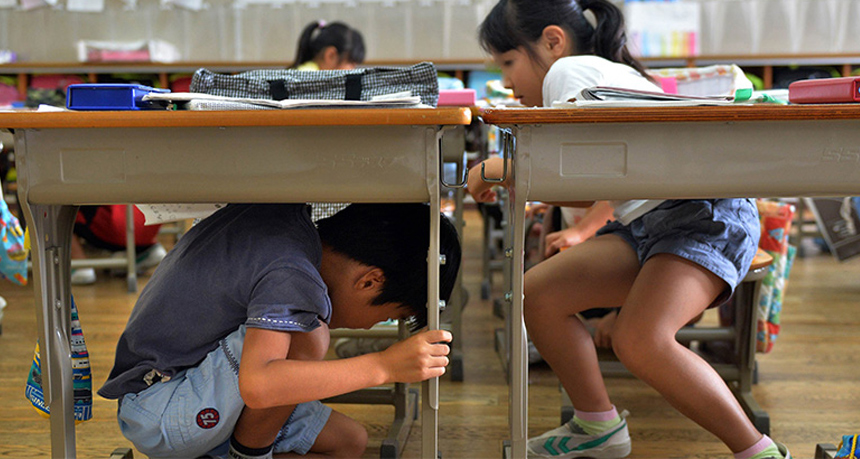
The project will teach them how to use their abilities, how to create new ones, to adapt and find fast solutions to move forward when facing crisis. From what we see around us, from the way pupils responded to different situations, the way they act and interpret difficult issues, adults recognize the need of younger generation to learn from past experiences and present situations in order to adapt and find solutions to overcome possible future difficulties. By the end of the project, they will know how to recognize various crisis situations and the things they must do to overcome them. They will know sets of rules and activities they need to perform in certain critical situations.
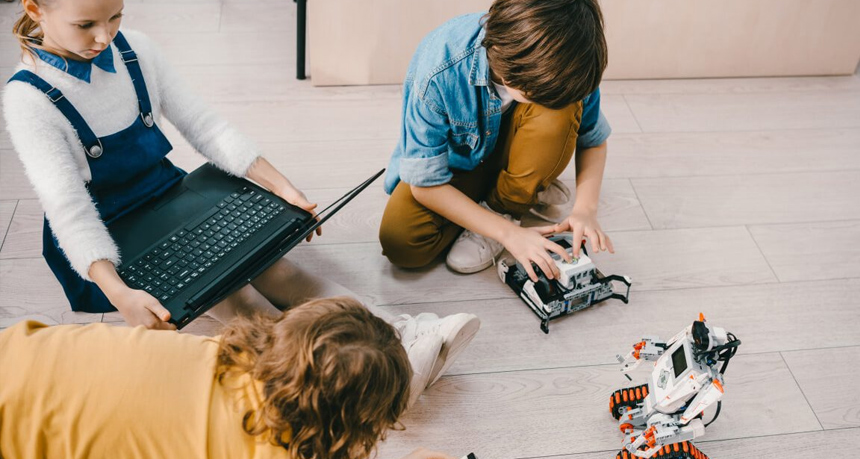
They will be able to help both themselves and others. Pupils will step through brainstorming activities, lessons in which they learn from teachers or other professionals, extracurricular activities and also through the experience given by activities in which real crisis situations are simulated. The content is about past events and how people managed to pass over life threatening situations (the 2nd World War, the communist period, natural disasters, diseases) and also about difficult situations mankind is facing nowadays. They will learn about how society is built and which are their rights as children/citizens.
THE OBJECTIVES OF THE PROJECT
- To create the abilities of 200 students from each partner school to act in crisis situations through the knowledge they have and the activities that should be carried out when facing fire, flood, earthquake, terrorist acts, sudden climate change, life threatening viruses
- To enable 200 students from each partner school do develop civic engagement that will lead to voluntary activities designed to help those in need
- To use experiential learning by 5 to 10 teachers from each partner school as a way of pedagogical innovation
- To create a useful context for using foreign languages in real life and using computers as tools for learning
All partner schools will do the common assignments and each will have particular responsibilities. The pupils participating in this project are 13-17 years old and the teachers teach various subjects. Parents will be active partners in this project. They will advise from their own lives and perspective.
Partner schools will have better trained teachers, who master key competences and therefor the pupils will be more motivated to learn. At national level, each partner school will gain prestige and quality due to the implemented project. The project will be disseminated nationally via different professional associations. At the meeting in Belgium, students will present the results of the project to the representatives of the European Council. The teachers and pupils in each partner school will use the results in future activities and take them as first step in new partnerships.
The most important lesson of the would be that the values of mankind can be respected and preserved no matter what situation we are facing as persons or citizens of a certain country or of the world.